

Table of Contents
- What Makes a Fabric Sustainable for Dressmaking?
- Quick Comparison: Top Eco Friendly Fabrics
- Organic Cotton: The Comfort Standard
- Hemp and Linen: Low-Impact Natural Fibers
- Tencel Lyocell and Bamboo: Regenerated Options
- Sustainable Fabric Certifications Explained
- Organic Cotton vs Recycled Polyester: Which Works Best for Your Project?
- Conclusion
- Frequently Asked Questions
Last Updated: September 20, 2026
What Makes a Fabric Sustainable for Dressmaking?
Choosing the best eco friendly fabric for dresses means understanding how fiber is grown, processed, dyed, and manufactured from field to finished garment.
Sustainable fabrics share key traits: low water consumption, pesticide-free cultivation, low-impact dyes, and biodegradability.
The research is clear: organic fibers rank highest for climate change impact reduction compared to conventional cotton and synthetic alternatives. Natural fibers like organic cotton, hemp, linen, and bamboo-derived fabrics all offer genuine environmental benefits, but they perform differently depending on your dress style, climate, and how long you plan to wear the piece.

Quick Comparison: Top Eco Friendly Fabrics
| Fabric Type | Water Usage | Pesticides | Best For | Key Strength |
|---|---|---|---|---|
| Organic Cotton | Moderate | None | Everyday dresses, versatility | Breathable, soft, familiar |
| Hemp | Very Low | None | Structured styles, durability | Strong, minimal water needed |
| Linen | Low | Minimal | Summer dresses, drape | Naturally thermoregulating |
| Bamboo/Tencel | Low | None | Fluid silhouettes, softness | Silky hand, closed-loop production |
| Recycled Polyester | N/A | N/A | Blended fabrics, performance | Diverts waste, durable |
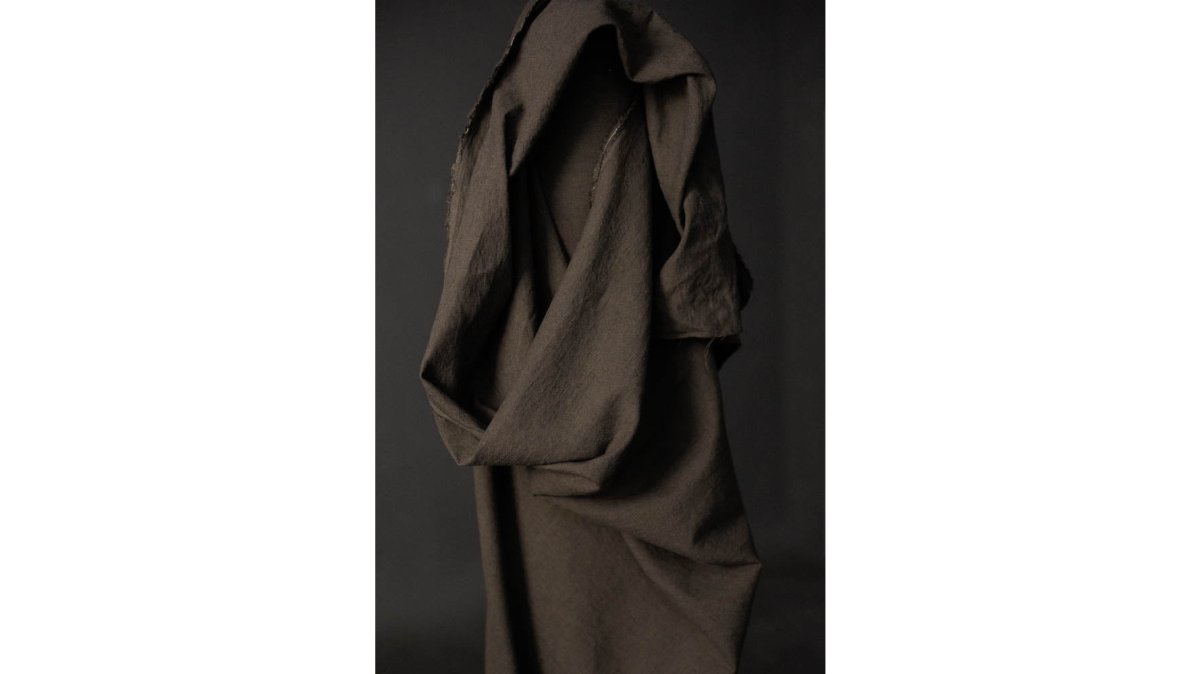
The optimal blend for professional garment production is emerging as a clear winner. A 70% organic cotton and 30% recycled cotton blend delivers the best balance between fiber quality and environmental impact, according to Portugal Clothing Factory's 2026 sustainable textile sourcing guide. This combination gives you the comfort and breathability of organic cotton while reducing overall environmental footprint through recycled content.

Organic Cotton: The Comfort Standard
Organic cotton remains popular for dresses because it delivers comfort without synthetic chemicals, unlike conventional cotton which uses 16% of global pesticides on just 2.5% of cultivated land.
Organic cotton suits fitted, casual, and structured dresses, holds dyes well, and improves with age. Its main drawback is higher water consumption than some alternatives, though far less than conventional cotton.
Simplifi Fabric's Lightweight Organic Cotton Fleece, grown and milled in the USA, uses fiber reactive dyes in a closed-loop system with water recycling. Manufacturing occurs within a 150-mile radius, eliminating unnecessary transportation emissions.
Hemp and Linen: Low-Impact Natural Fibers
Hemp and linen are resource-efficient natural fibers that perform differently in dress applications.
Hemp: Durability and Structure
Hemp requires 50% less water than organic cotton, uses no pesticides, and sequesters 8-15 tonnes of CO2 per hectare. Every part of the plant is used; nothing goes to waste.
Hemp's natural strength suits structured styles (A-line, shirt dresses, tailored pieces). It holds shape through washing and softens with age, improving durability and cost-per-wear.
Raw hemp has a coarser hand than cotton or linen, though blends soften while retaining durability. Hemp wrinkles noticeably and creases don't relax readily, ideal for casual styles, limiting for formal wear.
Linen: Thermoregulation and Drape
Linen, from flax fibers, requires minimal pesticides and thrives in cool climates. Every part of the plant is utilized: seeds become linseed oil, fibers become linen, and woody core becomes animal bedding or biofuel.
Linen is naturally thermoregulating, absorbing up to 20% moisture before feeling damp and releasing it quickly. It's ideal for summer dresses and hot climates, and is naturally stain-resistant, moth-repellent, and hypoallergenic.
Linen's fluid drape suits wrap dresses, slip dresses, and relaxed silhouettes. Its distinctive slub texture is part of its aesthetic appeal.
Linen's low elasticity causes pronounced creasing, especially in fitted styles. Creases don't fully relax, they soften but remain visible. This suits casual summer dresses but requires regular pressing for formal wear.
Blended Approaches for Practical Performance
Simplifi Fabric's Winter Cabin Organic Cotton Linen blend (47% linen, 11% recycled linen, 42% organic cotton) combines linen's durability with organic cotton's softness. This linen is Oeko-Tex certified and the dyes used are GOTS certified.
Linen + Viscose + Cotton Mix blends combine linen's breathable structure with viscose's silky smoothness, offering cool, airy comfort with fluid drape. Viscose reduces wrinkling while maintaining moisture-wicking.
Care and Longevity Considerations
Hemp and linen improve with washing and wear, don't shed microplastics, and are fully biodegradable. Cold water washing, gentle detergent, and air drying extend lifespan. Linen benefits from occasional pressing; hemp's wrinkles are part of its character.
Lightweight Organic Cotton Fleece →
Tencel Lyocell and Bamboo: Regenerated Options
Tencel Lyocell and bamboo-derived viscose use closed-loop production where solvents are recycled rather than released, making manufacturing footprint significantly lower than conventional viscose.
Bamboo grows rapidly without pesticides and regenerates after harvesting. Tencel Lyocell recovers and reuses 99% of chemicals, creating fabric with luxurious drape, softness, and moisture-wicking properties.
These fabrics excel in fluid, draped styles and warm-climate dresses. The downside is higher cost and durability concerns with lower-quality versions.
Sustainable Fabric Certifications Explained
Three certifications carry real weight: GOTS, OEKO-TEX Standard 100, and OEKO-TEX Made in Green.
GOTS verifies organically-grown fibers and processing without harmful chemicals across the entire supply chain. OEKO-TEX Standard 100 tests finished fabrics for harmful substances and guarantees safety. OEKO-TEX Made in Green combines testing with supply chain transparency.
Organic Cotton vs Recycled Polyester: Which Works Best for Your Project?
This comparison reveals an important truth: the most sustainable fabric isn't always the most natural one. But the real decision framework goes deeper than fiber type, it requires understanding microplastic shedding, end-of-life options, and cost-per-wear calculations that most sustainability guides overlook.
Organic cotton excels for breathability, comfort, and biodegradability in everyday dresses, though it requires 2,700 litres of water per t-shirt (still far less than conventional cotton's 10,000+ litres). Recycled polyester diverts waste and requires no new petroleum, but doesn't biodegrade and sheds microplastics with each wash.
Synthetic fabrics shed microplastics during washing, accumulating in aquatic ecosystems. Organic cotton and natural fibers don't shed microplastics and biodegrade naturally. However, a recycled polyester dress worn 100 times may shed fewer total microplastics than an organic cotton dress worn 10 times, since durability and wearing frequency reduce total wash cycles. The winner depends on actual wearing patterns.
Cost-Per-Wear: The Underrated Metric
The honest answer is context-dependent. A summer dress in organic cotton that you wear 50 times over three years has a lower environmental impact than a polyester dress worn five times. Cost-per-wear, calculated as the garment's price divided by the number of times you wear it, is one of the most underrated sustainability metrics.
To calculate: if an organic cotton dress costs $80 and you wear it 100 times, the cost-per-wear is $0.80.
End-of-Life Disposal: The Final Consideration
Practical Recommendations
-
For everyday dresses worn 50+ times: Choose organic cotton or hemp-cotton blends. The water cost of production is offset by durability and microplastic-free washing. At end of life, compost the garment.
-
For warm-weather dresses worn frequently: Choose linen or linen-blend fabrics. The Linen + Viscose + Cotton Mix blends at $10.25 per half-meter combine natural fiber durability with the softness and drape of regenerated cellulose. Linen's moisture-wicking properties mean you'll actually wear these pieces more often, improving cost-per-wear.
-
For performance-critical applications (stretch, moisture-wicking, durability in athletic contexts): Recycled polyester blends are defensible if you commit to wearing the piece 50+ times. The microplastic shedding is a real cost, but it's offset by the garment's longevity and the waste diversion from landfills.
-
For formal or occasion wear worn infrequently: Avoid synthetic fabrics entirely. A dress worn 5-10 times generates more microplastic pollution than the environmental savings from recycled content. Choose organic cotton or linen, accept the higher cost, and plan to wear it multiple times or pass it on.
Conclusion
Choosing the best eco friendly fabric for dresses requires balancing three competing priorities: environmental impact, garment longevity, and personal comfort. Organic cotton delivers comfort and breathability. Hemp and linen offer minimal water consumption and natural properties. Tencel and bamboo provide silky drape with closed-loop production.
Frequently Asked Questions
What is the most sustainable fabric for dressmaking?
Organic cotton ranks highest in climate change impact reduction compared to conventional cotton and synthetic alternatives, making it a highly sustainable choice for dresses. Hemp also scores exceptionally high due to minimal water requirements, zero pesticide use, and rapid growth cycles. The best choice depends on your dress style, climate, and desired drape, organic cotton offers comfort and breathability, while hemp provides durability and linen delivers elegant structure.
How do I identify eco-friendly fabrics when shopping?
Look for certifications like GOTS (Global Organic Textile Standard) and OEKO-TEX, which verify sustainable sourcing and low-impact dyes. Check fiber content labels: organic cotton, hemp, linen, and Tencel (lyocell) are all biodegradable natural fibers. Avoid synthetic fabrics, which shed microplastics. Retailers like Simplifi Fabric prioritize certified sustainable materials and provide transparency about fiber sourcing and production methods, so you can shop with confidence in your environmental impact.
Is organic cotton better than recycled polyester for dresses?
Organic cotton is a strong choice for dresses. It's breathable, absorbent, comfortable, biodegradable, and recyclable. Recycled polyester, while better than virgin synthetics, still sheds microplastics and lacks the natural breathability of cotton. For dress-making, organic cotton or blends with linen and viscose deliver better comfort, drape, and end-of-life compostability than recycled synthetics.
What are the benefits of using Tencel for summer dresses?
Tencel (lyocell) is a regenerated fiber from sustainably managed wood pulp, produced in closed-loop systems that recycle 99% of solvents. It's moisture-wicking, breathable, and perfect for warm climates. Tencel delivers a silky drape and soft hand similar to viscose, making it ideal for flowing summer dresses. It's biodegradable, requires fewer pesticides than cotton, and resists wrinkles better. For dressmakers seeking breathability with elegant movement in warm weather, Tencel blends rival linen while offering easier care and a more refined finish.