

Table of Contents
- What Is Hemp Fabric and How Is It Made?
- Hemp Fabric Pros and Cons: An Honest Look
- Hemp Fabric vs Cotton: Which Suits Your Project?
- Hemp Fabric vs Linen: Similar Look, Different Behavior
- How to Care for Hemp Fabric So It Lasts
- What to Sew With Hemp Fabric: Apparel, Towels, and Home Textiles
- Conclusion
- Frequently Asked Questions
Last Updated: October 12, 2026
What Is Hemp Fabric and How Is It Made?
Hemp fabric is a textile woven or knitted from the bast fibers of the Cannabis sativa plant, valued for strength, breathability, and a lower-input growing cycle than many conventional crops.
The plant grows densely and quickly, which naturally suppresses weeds and reduces the need for herbicides. That agronomic trait is the root of most sustainability claims attached to hemp, though the fiber's actual footprint depends heavily on how it is grown, retted, and finished.
From Stalk to Spool: Fiber Processing and Fabric Production
Turning stalks into wearable cloth is a multi-stage process. The outer bast fiber is separated from the woody core through retting, then spun into yarn and either woven or knit into fabric. Each stage affects how the finished textile feels and performs.
A 2024 study on hemp fiber physicochemical properties highlights hemp's potential as an alternative to traditional textile fibers such as cotton and flax, though the research does not publish a single quantified comparison. Processing method, not the plant alone, decides whether hemp ends up crisp and canvas-like or soft enough for a t-shirt.
Hemp Fabric Pros and Cons: An Honest Look
The benefits of using hemp fabric are real, but they come with conditions. Here is a balanced breakdown of what hemp does well and where it falls short.
Pros:
- Strong fiber with good tensile strength and wet strength
- Naturally resistant to mold, mildew, and many pests
- Breathable and moisture-absorbing
- Gets softer with washing and wear
- Lower water and pesticide inputs than many conventional fibers
Cons:
- Can feel stiff before it is broken in
- Often more expensive than mass-market cotton
- Limited color consistency across small dye lots
- Processing quality varies widely between suppliers
A COSH overview of hemp clothing advantages and disadvantages frames hemp clothing around both benefits and drawbacks, which matches what makers find in practice: hemp rewards patience, and it is not a drop-in replacement for every cotton project.
Hemp Fabric vs Cotton: Which Suits Your Project?
Hemp and cotton diverge most on durability, water use, and how they age. Cotton is softer off the bolt and easier to dye in consistent batches.
The trade-off is feel and price. Cotton wins for projects that need immediate softness and predictable drape. Hemp wins for items that must survive years of washing, such as aprons, bags, and workwear.
| Attribute | Hemp Fabric | Cotton |
|---|---|---|
| Strength | High tensile and wet strength | Moderate |
| Softness off the bolt | Firmer, breaks in over time | Soft immediately |
| Mildew resistance | Naturally resistant | Prone when damp |
| Water use in growing | Generally lower | Generally higher |
| Best for | Durable wear, home textiles | Everyday soft garments |
A Textile Exchange report on hemp's sustainability potential notes that some farmers have seen 10-20% higher subsequent yields for crops such as corn and soybeans when grown after hemp, a rotation benefit that cotton does not offer.
Hemp Fabric vs Linen: Similar Look, Different Behavior
Hemp and linen share a slubby, natural look, which is why they are often confused. Both are bast fibers, both breathe well, and both soften with use. The difference shows up in strength, wrinkle behavior, and how each fiber is processed.
Linen creases sharply and has a slightly cooler hand. Hemp is more abrasion-resistant and holds its shape better under repeated washing, which makes it the tougher choice for high-wear items. A hemp-cotton blend can split the difference, giving makers a softer hand with more durability than cotton alone.
Why Processing Changes the Comparison
The fiber alone does not decide how hemp or linen behaves. Retting method, spinning, weave, and finishing all shift the result:
- Longer fiber staple generally means a smoother, stronger yarn with less shedding.
- Tighter weave improves abrasion resistance but reduces drape and airflow.
- Enzyme or mechanical softening can make hemp feel closer to linen off the bolt, though it may reduce some of the fiber's natural stiffness that contributes to shape retention.
- Blends with cotton, linen, Tencel, or recycled fibers change moisture handling, shrinkage, and price.
A common pattern is that two fabrics both labeled "100% hemp" can feel and perform very differently depending on where and how they were processed. That is why fiber content alone is a weak buying signal.
Matching the Fiber to the Job
| Use case | Hemp | Linen |
|---|---|---|
| Workwear, aprons, bags | Excellent, abrasion-resistant, holds shape | Good, but creases sharply |
| Summer shirts and dresses | Good in lighter weaves; crisper drape | Excellent, cooler hand, softer drape |
| Bedding and towels | Durable, mildew-resistant, softens over time | Soft, breathable, less mildew-resistant |
| Upholstery and home textiles | Strong choice for high-wear surfaces | Better for decorative, lower-wear pieces |
| Delicate drape or jersey | Blend with cotton or Tencel | Better alone for fluid garments |
For makers weighing hemp against linen, the practical question is not which fiber is "better" but which one matches the wear pattern, drape, and care routine of the finished item. Where hemp wins on toughness, linen often wins on immediate softness and fluid drape, and a blend can capture part of both.
How to Care for Hemp Fabric So It Lasts
Hemp is low-maintenance once you know the rules. The fiber tolerates washing well but dislikes high heat, which can shrink or stiffen it. Treat hemp like a hard-wearing natural fiber that improves with gentle care, and expect the first few washes to change how it feels.
Washing, Drying, and Ironing Without the Guesswork
- Wash: Machine wash cold or warm on a gentle cycle with a mild, pH-neutral detergent. Avoid chlorine bleach and fabric softeners, which can coat the fiber and reduce moisture absorption.
- Dry: Air-dry flat or line-dry to protect the fiber and save energy. If using a dryer, choose low heat and remove while slightly damp.
- Iron: Press while slightly damp on a medium setting, or embrace the natural texture. High heat can scorch and weaken the fiber over time.
- Avoid: High dryer heat, chlorine bleach, and prolonged direct sun, all of which can weaken or fade the fabric.
Air-drying is the single easiest habit for extending the life of hemp apparel, towels, and home textiles. It also helps preserve the fiber's natural moisture handling between washes.
Shrinkage, Wrinkles, and What to Expect Over Time
Most practitioners find that hemp fabric relaxes and softens with each wash, but it can also shrink slightly on the first hot wash, commonly in the low single digits for well-prepared fabric, though this varies by weave, finishing, and whether the fabric was pre-shrunk. Two habits reduce surprises:
- Pre-wash yardage before cutting a garment you care about, using the same temperature you plan to wash it in.
- Wash cold for the life of the item to limit further shrinkage and color loss.
Wrinkling is normal. Hemp creases more than cotton but less sharply than linen, and the creases tend to relax with body heat and wear. If you want a crisper finish, press while damp; if you want the natural look, let it be.
Repair, Longevity, and Cost Per Wear
Hemp's durability is its quiet advantage. Because the fiber resists abrasion and mildew, hemp garments and home textiles often outlast comparable cotton items, which changes the math on price. A higher upfront cost spread across more years and more washes can work out lower on a cost-per-wear basis than a cheaper cotton alternative that pills, tears, or fades sooner.
Simple repairs extend that life further:
- Reinforce stress points (pockets, seams, buttonholes) before they fail.
- Patch worn knees or elbows with matching or contrasting hemp fabric.
- Re-hem garments as hems fray rather than replacing the whole piece.
A Note on Antimicrobial and Odor Claims
Hemp is often marketed as naturally antimicrobial and odor-resistant. The evidence is more nuanced than the marketing suggests. Some research points to compounds in certain hemp varieties that show antibacterial activity in laboratory settings, but those findings do not automatically translate to a finished garment after dyeing, finishing, and repeated washing. Treat odor resistance as a helpful tendency rather than a guarantee, and wash hemp items on a normal schedule.
What to Sew With Hemp Fabric: Apparel, Towels, and Home Textiles
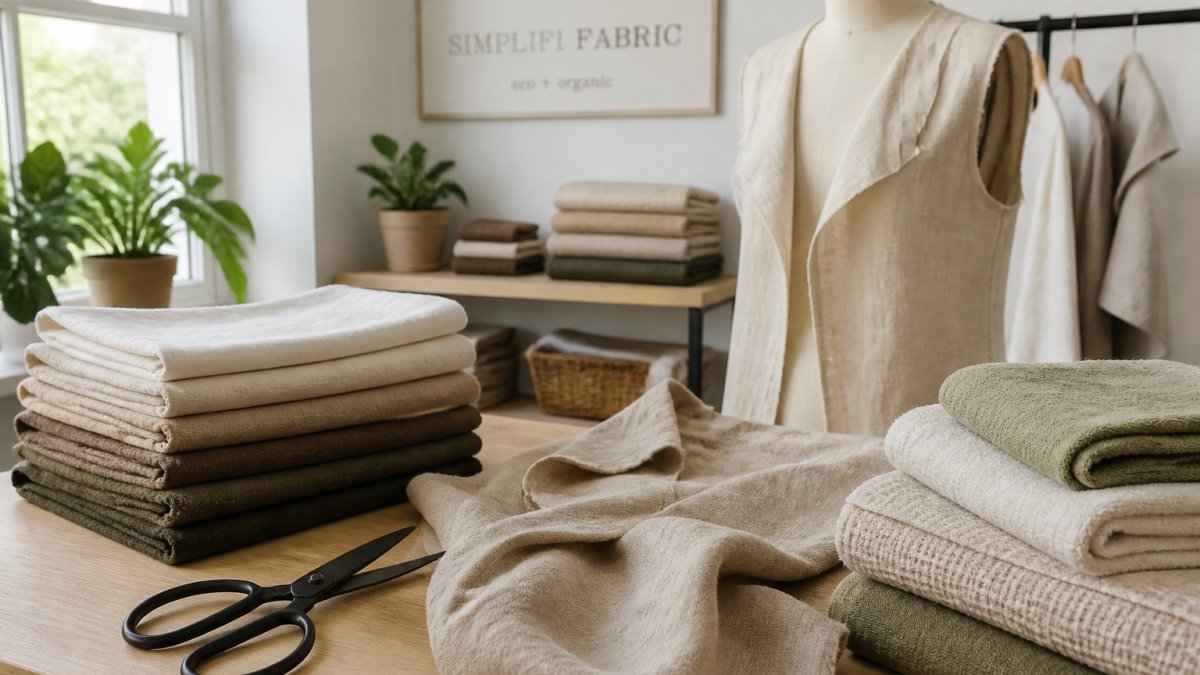
Hemp suits many projects once you match the weight to the job. Heavier weaves work for bags, aprons, and upholstery, while lighter weights handle shirts, dresses, and towels.
A 2021 study on bioactive hemp clothing reports that the Bialobrzeskie hemp variety contains phenolic acids associated with antioxidant and antibacterial activity, though that finding applies to one specific fiber variety and should not be generalized to every hemp fabric.
Conclusion
Choosing a fiber that balances durability, comfort, and environmental impact is a genuine challenge for makers who care about what they sew. Simplifi Fabric can help you meet it, with the largest selection of sustainable and organic textiles online, a curated range of indie sewing patterns, and ethically sourced materials shipped worldwide from Ontario. Explore the hemp and natural fiber collection at Simplifi Fabric and start your next creative project with fabric built to last.
Frequently Asked Questions
What are the downsides of hemp fabric?
Hemp fabric starts out crisp and can feel stiff compared to cotton, so it needs a few washes before it softens. It also wrinkles easily and can be more expensive than conventional cotton because processing is more specialized. A 2024 study in BioScience Publisher notes hemp's potential as an alternative textile fiber but does not provide quantified comparisons. If you want a softer hand from day one, a hemp-cotton blend is a practical compromise.
Is hemp really better than cotton?
They serve different purposes. Hemp is stronger, more durable, and typically needs less water and fewer pesticides during cultivation. Cotton is softer straight off the bolt and comes in more color and print options. A 2024 study highlights hemp's potential as an alternative to cotton and flax, but the research does not state a quantified comparison. For hard-wearing items like trousers or tote bags, hemp often wins; for quilting, cotton remains the easier choice.
Is hemp a better choice than linen?
Both are natural plant fibers with similar texture, but they behave differently. Hemp is more durable and resists mold and mildew well, while linen is generally softer from the start and drapes more fluidly. Linen wrinkles readily; hemp wrinkles too but holds its shape longer. For structured garments and home textiles that take heavy use, hemp fabric is often the more resilient option. For flowing summer wear, linen may suit better.
Does hemp fabric shrink or soften over time?
Yes to both, to a degree. Hemp can shrink slightly on the first wash, so pre-washing before cutting is a smart habit. Over repeated washes, the fibers relax and the fabric gets noticeably softer with age. This is why many makers treat hemp like denim: the first wear is stiff, but the fabric improves. Always check the care label, and wash in cold water to limit shrinkage.
Is hemp fabric comfortable to wear?
Once broken in, yes. Hemp is breathable, moisture-wicking, and gets softer with age, which makes it comfortable for warm weather and everyday wear. New hemp can feel rough against skin, so garments like shirts and dresses benefit from a pre-wash or a hemp-cotton blend. The 2021 study on Bialobrzeskie hemp fiber, indexed on PubMed Central, links hemp fiber to phenolic acids associated with antioxidant and antibacterial activity, though this finding applies to one specific variety.
What can you sew with hemp fabric?
Hemp works well for trousers, jackets, tote bags, aprons, home textiles like towels and cushion covers, and quilting when blended with cotton. Heavier hemp weights suit structured garments and bags, while lighter weights work for shirts and summer dresses. If you are new to sewing with hemp, start with a simple tote or cushion cover to get a feel for how the fabric behaves before committing to a full garment.