

Table of Contents
- Why Fabric Choice Matters for Sensitive Skin
- 1. Organic Cotton for Sensitive Skin
- 2. Linen: Is Linen Good for Eczema?
- 3. Silk and Merino Wool for Comfort
- 4. Regenerated Fibers: Lyocell, Modal, and Viscose
- Itchy Fabrics to Avoid
- How to Wash Fabric for Sensitive Skin
- Frequently Asked Questions
Last Updated: October 11, 2026
Why Fabric Choice Matters for Sensitive Skin
Choosing the right fabric can be the difference between comfort and constant irritation. Sensitive skin reacts poorly to certain materials, triggering itching, redness, and discomfort that can last hours after wearing a garment. The best organic fabrics for sensitive skin share common traits: breathability, softness, and minimal chemical residue from manufacturing.
Research has identified clear patterns in how different fibers affect skin health. According to peer-reviewed research on functional clothing, wool and synthetic fibers like polyester and nylon can worsen atopic dermatitis symptoms, while natural alternatives like cotton show better tolerance. This distinction matters because fiber type, fabric construction, and garment finish all influence how a material feels against skin.
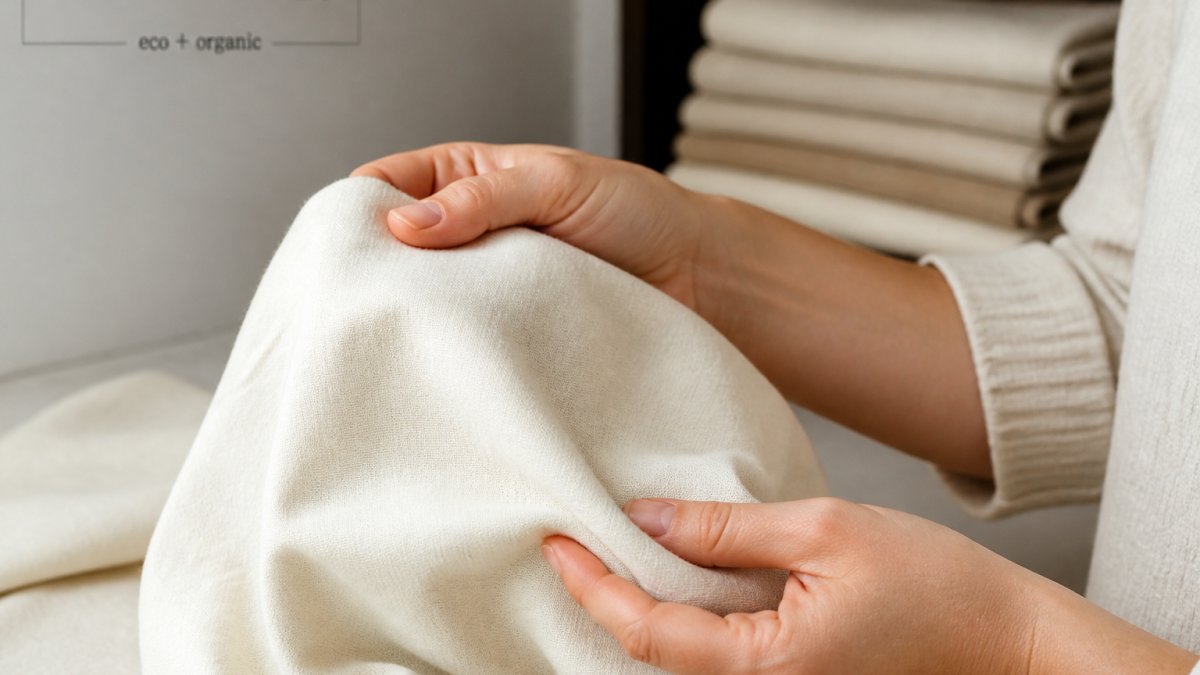
When selecting fabrics for sensitive skin, three factors dominate the decision: fiber content (what the fabric is made from), fabric weight (how densely it's woven), and chemical treatments applied during manufacturing. A GOTS-certified organic cotton voile feels different from a conventionally grown cotton because the organic version avoids pesticide residues and harsh dyes. Pre-washing removes additional finishing chemicals, making the fabric safer for direct skin contact.

1. Organic Cotton for Sensitive Skin
Organic cotton is the gold standard for sensitive skin because it combines softness, breathability, and chemical-free production. Unlike conventional cotton, which uses heavy pesticide loads during growth, organic cotton eliminates those residues entirely. The fiber itself is inherently gentle, with a smooth surface that doesn't trigger friction-based irritation.

Simplifi Fabric offers several organic cotton options designed specifically for skin-friendly garment making. The Organic Cotton Voile at 75 GSM provides a lightweight, breathable option ideal for warm-weather garments and sensitive skin applications. Pre-washed and GOTS-certified, this fabric arrives ready to sew with minimal additional preparation. For heavier applications, the Organic Cotton Double Gauze at 120 GSM offers two delicate layers tacked together, creating a naturally crinkled texture that becomes softer with each wash.
What makes organic cotton particularly valuable is its absorbency. The fiber pulls moisture away from skin, reducing the damp feeling that triggers irritation. A 100% organic cotton garment breathes naturally without trapping sweat or heat. The fabric also tolerates frequent washing without degrading, so sensitive-skin users can launder items regularly without concern.
| Fabric Type | Weight (GSM) | Best For | Key Feature |
|---|---|---|---|
| Organic Cotton Voile | 75 | Blouses, lightweight garments | Breathable, semi-sheer |
| Organic Cotton Double Gauze | 120 | Swaddles, baby wear, layers | Naturally crinkled texture |
| Organic Cotton Sheeting | 120 | Bedding, linings | Soft, durable weave |
2. Linen: Is Linen Good for Eczema?
Linen ranks alongside organic cotton as a trusted choice for eczema-prone and sensitive skin. The fiber is naturally hypoallergenic and doesn't trap heat, making it especially valuable during warm months. Linen's structure creates a looser weave than cotton, allowing maximum airflow around the skin surface.

The key advantage of linen is its temperature-regulating properties. Linen fibers conduct heat away from the body, preventing the overheating that can trigger eczema flare-ups. The fabric also resists bacterial growth, reducing odor and the need for frequent washing, a benefit for sensitive skin that reacts to detergent residues.
One consideration: new linen can feel stiff initially. The fabric softens significantly with washing, but immediate comfort depends on the weave density and fiber quality. Lower-quality linen may feel coarse against sensitive skin until broken in. Choosing linen from reputable suppliers ensures a finer weave that feels gentle from the first wear.
Linen blends with organic cotton offer a middle ground. A 70% linen, 30% organic cotton blend provides linen's breathability with cotton's initial softness, creating a fabric that feels comfortable immediately while delivering long-term durability.
3. Silk and Merino Wool for Comfort
Silk and merino wool represent opposite ends of the temperature spectrum, yet both suit sensitive skin when chosen carefully. Silk is the softest natural fiber, with a smooth surface that minimizes friction and irritation. The protein structure of silk closely resembles human skin protein, making it exceptionally gentle for conditions like eczema or rosacea.
Merino wool, despite its reputation as a "scratchy" fiber, is fundamentally different from conventional wool. Merino fibers are significantly finer, roughly one-third the diameter of standard wool, eliminating the itchiness associated with coarser breeds. Merino's natural moisture-wicking and temperature-regulating properties make it ideal for layering, especially for active individuals with sensitive skin.
The trade-off: silk requires careful handling and doesn't tolerate frequent washing. Merino wool costs more than cotton but lasts longer and improves with age. Both are best suited for garments worn close to skin in controlled environments rather than everyday workwear.
For most sensitive-skin makers, silk works best as a lining or trim rather than the primary fabric. Merino wool excels in base layers and intimate apparel where its softness and breathability provide maximum benefit.
4. Regenerated Fibers: Lyocell, Modal, and Viscose
Regenerated fibers, lyocell (Tencel), modal, and viscose, occupy a middle ground between natural and synthetic. These fibers start as plant material (wood pulp or bamboo) but undergo chemical processing to become wearable fabric. The resulting fibers are softer than cotton and more breathable than many synthetics.
Lyocell (Tencel) leads the regenerated fiber category for sensitive skin. The closed-loop production process recovers and recycles 99% of the chemicals used, leaving minimal residue in the finished fabric. Lyocell fibers are smooth and round, reducing friction against skin. The fabric breathes well, wicks moisture, and tolerates frequent washing without pilling or degradation.
Modal offers similar benefits with slightly different performance characteristics. Modal fibers are finer than lyocell, creating an exceptionally soft hand-feel. However, modal production uses more chemical input than lyocell, making it a secondary choice for chemically sensitive individuals.
Organic Cotton Double Gauze - 120 GSM - Sage Mist →
Viscose, the most common regenerated fiber, works reasonably well for sensitive skin but requires verification of production methods. Some viscose is produced with closed-loop systems (similar to lyocell), while other viscose uses open-loop processes that release more chemicals into the environment and potentially leave residues in fabric.
When selecting regenerated fibers, look for certifications. OEKO-TEX certification ensures the finished fabric meets strict limits for harmful substances. GOTS certification, while typically associated with organic cotton, also applies to some regenerated fiber products, indicating responsible production throughout the supply chain.
Itchy Fabrics to Avoid
Synthetic fibers, polyester, nylon, and acrylic, consistently trigger sensitivity in people with reactive skin. These petroleum-based materials don't breathe, trapping moisture and heat against the skin surface. The smooth plastic-like surface can also create static electricity, which irritates sensitive skin further.
Wool from non-merino breeds carries lanolin residues and coarser fiber structure that provoke itching. Standard wool's diameter (20-30 microns) exceeds the irritation threshold for many sensitive-skin wearers. Even "fine" conventional wool often exceeds 15 microns, making it unsuitable for direct skin contact.
Blended fabrics containing polyester, even in small percentages, compromise breathability. A 95% cotton, 5% polyester blend loses much of cotton's moisture-wicking benefit. The polyester component reduces airflow and traps humidity, creating conditions where bacteria thrive and irritation develops.
Heavily treated fabrics, those with water-resistant coatings, permanent-press finishes, or synthetic dyes, often contain formaldehyde or other chemical irritants. Even after washing, residues can remain in the fiber structure. Conventionally grown cotton treated with anti-wrinkle finishes frequently causes reactions in sensitive-skin users.
How to Wash Fabric for Sensitive Skin
Washing technique dramatically affects how a fabric feels against sensitive skin. Hot water opens fiber structures, allowing detergent and minerals to embed deeper. Cold or lukewarm water (30-40°C) preserves the fabric's natural properties while removing surface dirt and sweat.
Non-biological detergent matters more than most people realize. Biological detergents contain enzymes designed to break down proteins, which also damages the fiber structure and leaves residues that irritate skin. Non-biological formulas clean effectively without these aggressive enzymes.
Pre-washing new fabric before sewing removes finishing chemicals applied during manufacturing. Organic cotton voile, for example, benefits from a gentle pre-wash cycle that allows the fabric to reach its final softness and texture. This single step eliminates surprises after garment construction and first wear.
Rinse cycles deserve attention. Insufficient rinsing leaves detergent residue in fibers, which accumulates with repeated washing. Running an extra rinse cycle ensures complete detergent removal. Some sensitive-skin makers add a second rinse cycle as standard practice.
Drying method affects fiber condition. Machine drying at high heat damages delicate fibers and can set residual detergent deeper into the fabric. Air drying preserves fiber integrity and allows gentle moisture evaporation. For garments that require faster drying, a low-heat tumble cycle works better than high heat.
| Washing Step | Best Practice | Why It Matters |
|---|---|---|
| Water temperature | 30-40°C | Prevents fiber damage and chemical embedding |
| Detergent type | Non-biological | Avoids enzyme residues and fiber breakdown |
| Pre-washing | Always, before sewing | Removes manufacturing finishes |
| Rinse cycles | Double rinse minimum | Ensures complete detergent removal |
| Drying | Air dry preferred | Preserves fiber structure and softness |
Selecting the best organic fabrics for sensitive skin requires understanding fiber properties, production methods, and care practices. Organic cotton remains the most accessible and reliable choice, offering proven gentleness combined with ease of care. Linen and merino wool provide specialized benefits for specific climates and activities. Regenerated fibers like lyocell bridge natural and conventional options when sourced responsibly.
At Simplifi Fabric, the curated collection of organic textiles supports makers who prioritize both skin comfort and environmental responsibility. The Organic Cotton Voile and Organic Cotton Double Gauze deliver GOTS-certified quality starting at affordable price points, making sustainable, sensitive-skin-friendly fabrics accessible for every project. Whether creating garments for personal wear or loved ones with reactive skin, choosing the right fabric transforms the entire experience, from construction comfort to daily wear satisfaction. Shop Simplifi Fabric's collection of certified organic, ethically sourced textiles and begin creating responsibly today.
Frequently Asked Questions
Is organic cotton better for sensitive skin?
Yes. Organic cotton is recommended as a go-to fabric for people with sensitive skin and eczema because it is soft, cool, absorbent, easy to wash, and breathable. Unlike conventional cotton, organic cotton is grown without synthetic pesticides or harsh chemical treatments, reducing the risk of irritation. Research has found that synthetic fibers such as polyester and nylon can worsen atopic dermatitis symptoms, while cotton is discussed as a contrasting option that may be gentler on sensitive skin.
Is linen good for eczema?
Linen is a breathable natural fiber that many people with eczema find comfortable. It offers excellent moisture management and airflow, helping to keep skin cool and dry. However, linen has a slightly stiffer texture than cotton when new, though it softens significantly with washing. Some people with very reactive skin may prefer the immediate softness of organic cotton, but linen is a solid alternative for sensitive skin when properly pre-washed.
What fabrics should I avoid if I have sensitive skin?
Avoid polyester, nylon, acrylic, and wool against bare skin. These synthetic and coarse natural fibers can trap moisture, reduce airflow, and cause friction that irritates sensitive skin. Wool, in particular, has a rougher texture that may trigger itching in people with eczema. Always check fiber content labels and choose breathable, soft natural or regenerated fibers instead. Pre-washing is also essential to remove any chemical finishes that manufacturers may add during production.
How should I wash fabric for sensitive skin before sewing?
Pre-wash all fabrics in cool water (30-40 degrees Celsius) using a gentle, non-biological detergent and a gentle spin cycle. This removes chemical residues, dyes, and finishes that manufacturers apply during production. Pre-washing also allows the fabric to shrink before you cut and sew, preventing finished garments from shrinking after wear. For organic cotton voile, always pre-wash to achieve final softness and texture. Air-dry or tumble-dry on low heat to maintain fabric integrity.